Executive Contributor · Love & Relationships
Conscious Love Begins With Two Whole People
The healthiest relationships are not built by finding someone to complete you, but by learning how to love without making another person responsible for your identity.
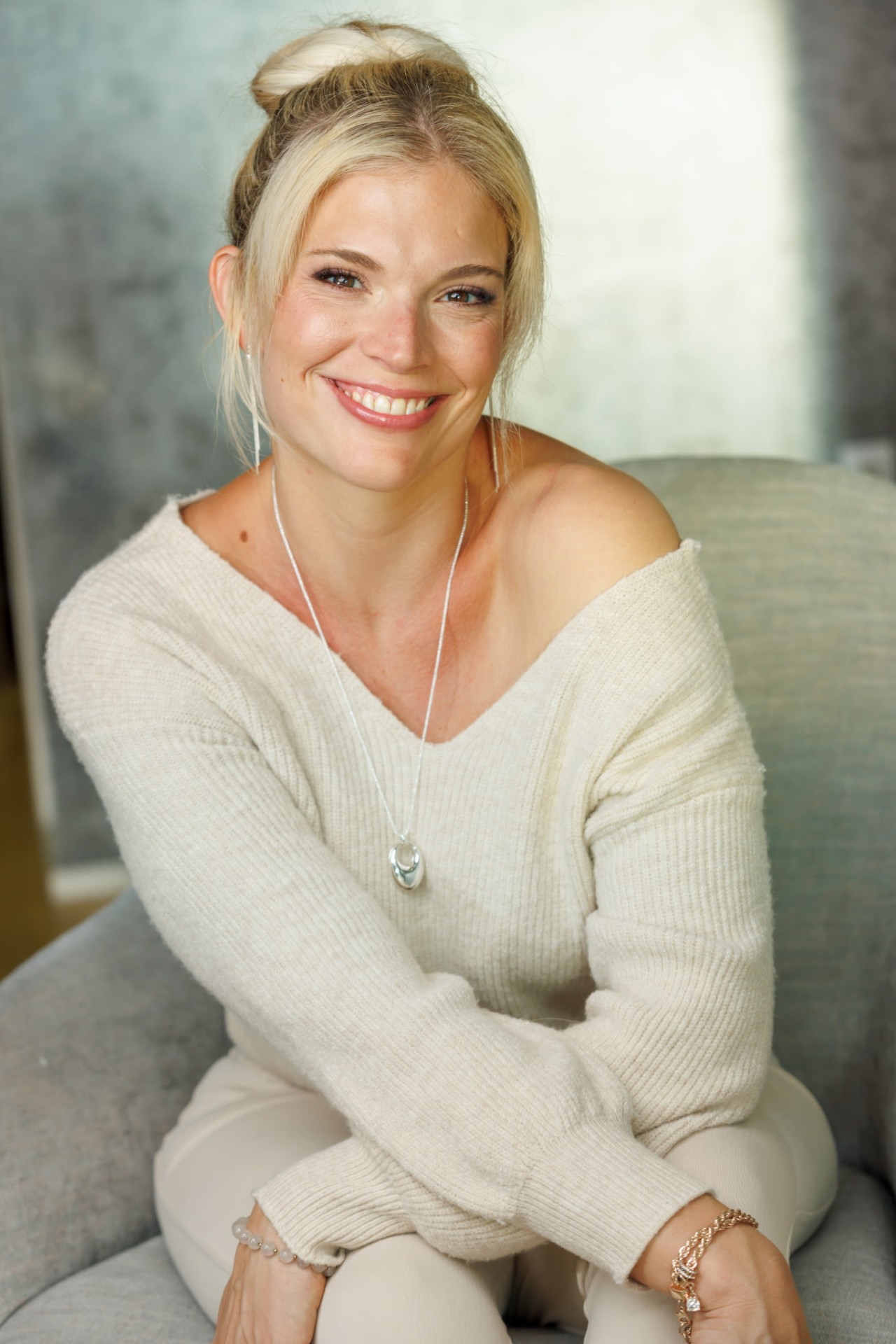
Written by: Cathy Levin, Executive Contributor
3 min read

We grow up hearing romantic ideas about finding our other half.
Someone who completes us.
Rescues us.
Fills the empty spaces.
Finally makes us feel chosen.
There is something beautiful about deep partnership.
But I no longer believe healthy love is about two incomplete people becoming one complete person.
I believe the strongest relationships happen when two people continue becoming whole while choosing to walk together.
A partner cannot become your entire emotional foundation
When one person becomes your only source of worth, stability, belonging, validation, or identity, the relationship begins carrying a weight no human being can sustainably hold.
Every disagreement becomes threatening.
Distance becomes terrifying.
Their mood determines your mood.
Their approval determines your value.
You stop asking, "Is this relationship healthy for me?" because the idea of losing it feels like losing yourself.
That is why personal development matters inside relationships.
Not so that we become detached.
So that love becomes a choice rather than emotional survival.
Conscious love requires self-awareness
It is easy to identify what another person needs to improve.
Much harder to ask:
What do I bring into conflict?
What fear gets activated in me?
What patterns am I repeating?
What am I asking my partner to heal that actually belongs to my own history?
Where am I communicating indirectly and expecting the other person to guess?
Where do I need a boundary?
Where do I need accountability?
A conscious relationship contains two people willing to look inward.
Not only point outward.
Love needs room for individuality
Closeness does not require sameness.
Two people can love each other deeply and still have separate goals.
Separate friendships.
Separate interests.
Different strengths.
Different ways of processing.
A strong relationship allows individuality without interpreting it as rejection.
You can say:
"I love you, and I also need time for myself."
"I support your dream, even though it is not my dream."
"I disagree with you, and I am still connected to you."
Those sentences contain both intimacy and autonomy.
That combination creates mature love.
Stop confusing intensity with intimacy
Some relationships feel powerful because they are emotionally intense.
High highs.
Low lows.
Constant uncertainty.
Reconnection after conflict.
Fear of losing one another.
But intensity and intimacy are not the same thing.
Intimacy is knowing.
Being known.
Feeling emotionally safe enough to tell the truth.
Trusting that conflict can be repaired.
Being able to bring vulnerability without expecting it to be used against you.
Sometimes calm initially feels unfamiliar to people who have known chaotic love.
But peace is not boredom.
Reliability is not lack of passion.
Consistency can become one of the most beautiful forms of love.
Responsibility belongs on both sides
A relationship cannot become conscious if one person is doing all the emotional work.
One person initiating every conversation.
One person apologizing.
One person adapting.
One person studying how to communicate while the other refuses to participate.
Growth does not need to happen at exactly the same speed.
But willingness matters.
Partnership requires mutual participation.
Love cannot replace boundaries
People sometimes think unconditional love means unconditional access.
It does not.
You can love someone and still have standards.
Love someone and say no.
Love someone and refuse disrespect.
Love someone and recognize that a relationship may not be healthy in its current form.
Boundaries do not make love less spiritual.
They keep love connected to reality.
Choose partnership, not rescue
One of the most freeing shifts is moving from:
"I need you to save me."
to:
"I am responsible for my healing, you are responsible for yours, and we can support one another along the way."
That is partnership.
Not two people with no needs.
Two people who know the difference between having needs and outsourcing their entire identity.
Love becomes much more spacious when neither person has to become the other's whole world.
You can be deeply connected.
And still belong to yourself.
For Cathy's one-on-one coaching and speaking work around relationships, self-worth, transformation, and women's empowerment, visit CathyLevin.com.
Executive Contributor
Cathy Levin
Cathy Levin is a life transformation coach, speaker, entrepreneur, author, and autism advocate. Her work centers on personal transformation, conscious relationships, women's empowerment, self-leadership, boundaries, resilience, and creating a life rooted in purpose and self-trust.