Executive Contributor · Autism & Family
What If Society Learned to Adapt to Autism Too?
For years, the conversation has focused on helping autistic people function in the world. Maybe it is time to ask how the world can learn to meet them halfway.
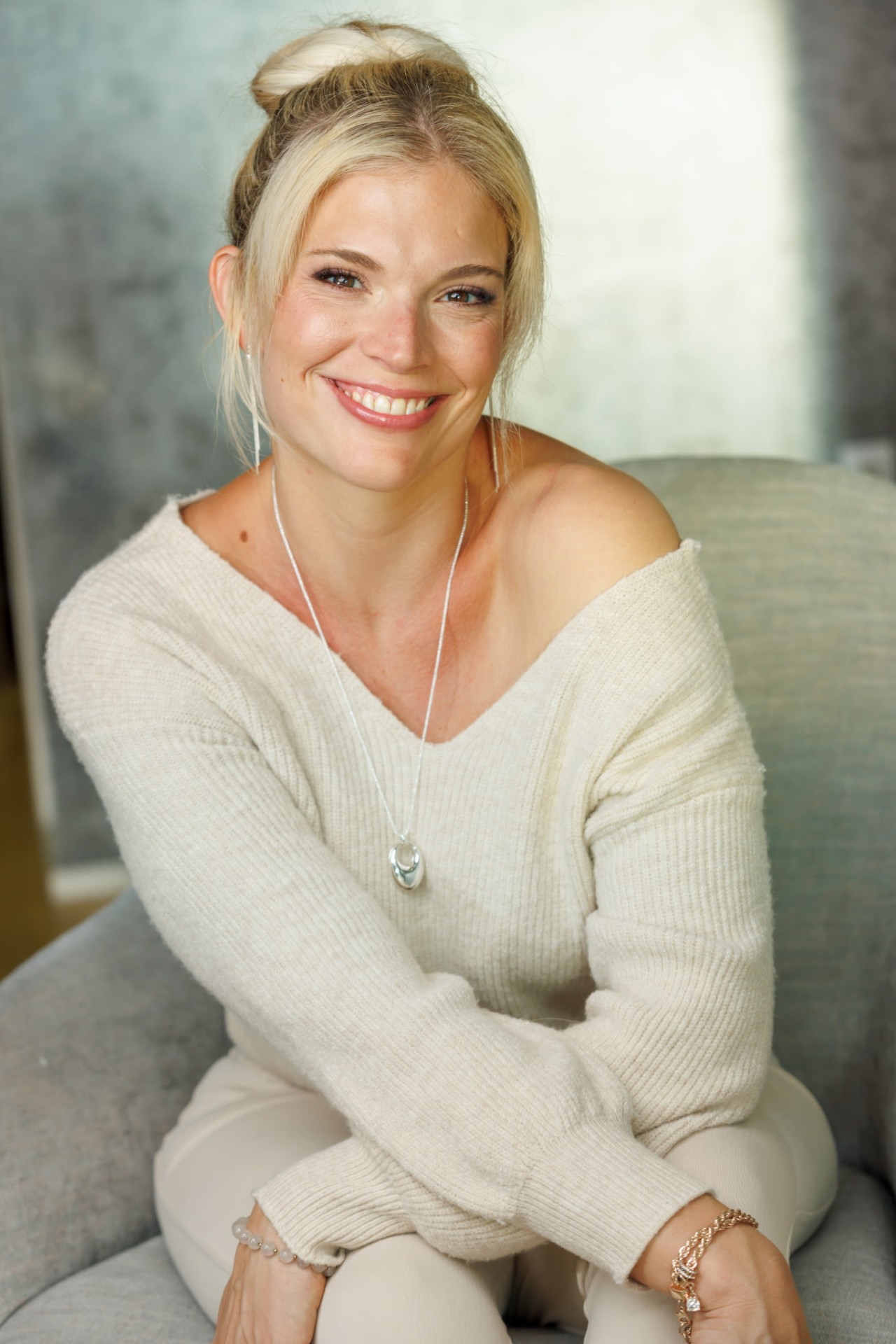
Written by: Cathy Levin, Executive Contributor
4 min read

When my son entered the world of autism services, I began hearing a familiar language.
Goals.
Milestones.
Skills.
Behaviors.
Progress.
How do we help him communicate more clearly? How do we help him tolerate more? How do we prepare him for school, public spaces, relationships, independence, and the expectations of everyday life?
Those questions matter.
As a mother, I want my son to have every possible opportunity to communicate, grow, feel confident, develop independence, and navigate the world safely.
But somewhere along the way, another question began bothering me.
Why is the autistic person always the one expected to do all the adapting?
What if society had some work to do too?
Support should not mean erasing the person
There is an important difference between helping someone develop skills and teaching someone that who they naturally are is unacceptable.
Autistic people may communicate differently.
They may process sensory information differently.
They may need more time.
They may connect differently.
They may become deeply interested in subjects other people barely notice.
They may find certain environments overwhelming while thriving in others.
Support can help a person navigate challenges.
But support should not require them to spend their entire life pretending not to experience the world the way they actually experience it.
That distinction changed how I approached my own child.
I stopped looking only at what he was not doing in the expected way and became more curious about what he was showing me.
What was he trying to communicate?
What made him feel safe?
What captured his attention?
What strengths were hiding inside behaviors other people might dismiss?
What did I need to learn about his world instead of constantly requiring him to understand mine?
Sometimes the student becomes the teacher
Parenthood has humbled me many times.
Autism humbled me differently.
I entered thinking my job was to teach my son how to function in the world.
Instead, he began teaching me how limited the world's definition of functioning can sometimes be.
He taught me that communication is bigger than speech.
Connection is bigger than eye contact.
Intelligence is bigger than one kind of performance.
Progress is bigger than a checklist.
And love sometimes requires learning a language nobody ever taught you.
Once I began meeting him with curiosity instead of comparison, I saw more.
That lesson now influences how I think about people far beyond autism.
We are very quick to ask, "How can this person become easier for the environment?"
We ask it in schools.
We ask it in workplaces.
We ask it in families.
We ask it in relationships.
But sometimes the better question is:
How can the environment become more humane for the person?
Two-way adaptation changes the conversation
I believe meaningful autism inclusion requires two directions of growth.
Yes, autistic people deserve access to support that helps them communicate, build confidence, increase independence, develop life skills, and navigate environments that will not always naturally understand them.
But society also needs education.
Teachers can learn.
Businesses can learn.
Coaches can learn.
Community organizations can learn.
Families can learn.
Peers can learn.
Anyone who interacts with an autistic person can become more aware of sensory needs, communication differences, processing time, personal space, emotional regulation, and the importance of dignity.
That does not mean removing every challenge from life.
It means refusing to place the entire burden of inclusion on one person.
Imagine telling someone, "We will help you understand this world, and we will also work to make this world better at understanding you."
That feels very different from saying, "Here is the world. Learn how to fit into it."
Inclusion is not simply allowing someone into the room
We sometimes confuse presence with inclusion.
An autistic child can be physically present in a classroom and still feel unseen.
A family can attend a community event and spend the entire time worried about judgment.
A sibling can quietly adapt family life around autism while receiving very little space to process what the experience means for them.
A parent can spend years coordinating services for a child while slowly disappearing from their own life.
Real inclusion asks more.
It asks whether the autistic person feels understood.
It asks whether the sibling feels seen.
It asks whether the parent is supported.
It asks whether a family can participate in ordinary life without feeling as though they must constantly apologize for existing differently.
We can build a wider definition of belonging
I do not want a smaller world for my son.
I want him to develop the skills that help him enter the world with greater confidence.
But I also want the world he enters to be wiser.
Kinder.
More curious.
Less judgmental.
More willing to learn.
The goal should not be to produce people who appear identical.
The goal should be to create communities where different kinds of people can participate meaningfully without having to surrender their identity first.
Maybe the next evolution of autism support is not another conversation about how autistic people must change.
Maybe it begins with a more courageous question:
What are the rest of us willing to learn?
To explore Cathy Levin's work in transformation, speaking, coaching, and autism advocacy, visit CathyLevin.com.
Executive Contributor
Cathy Levin
Cathy Levin is a life transformation coach, speaker, entrepreneur, author, and autism advocate. Her work centers on self-leadership, personal growth, women's empowerment, resilience, family transformation, and a two-way approach to autism inclusion - supporting autistic people in navigating the world while encouraging families, communities, and society to better understand autistic communication, sensory needs, strengths, individuality, and dignity.